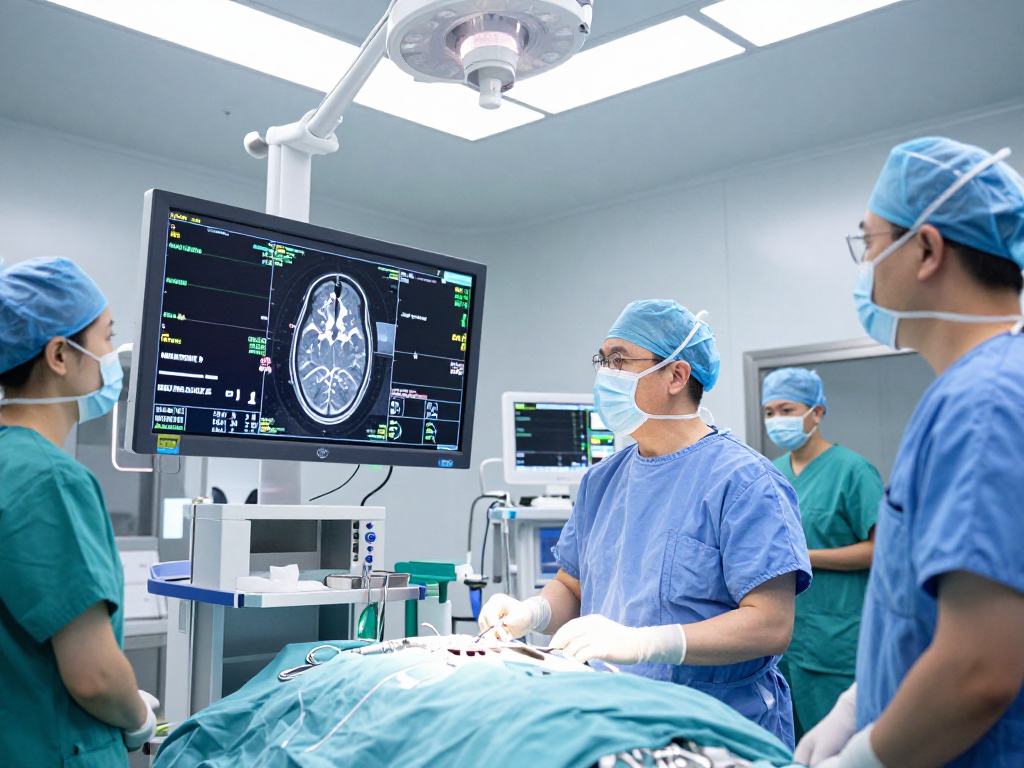
Understanding Neurosurgery in Abu Dhabi
In the rapidly advancing field of medicine, neurosurgery stands out as a vital specialization that addresses complex neurological conditions through surgical intervention. In Abu Dhabi, the need for skilled neurosurgeons is increasingly evident, as the population seeks accessible and high-quality medical care. When exploring options for a neurosurgeon in Abu Dhabi, it is essential to understand the scope of neurosurgery, the critical role of neurosurgeons, and the common conditions they treat.
What is Neurosurgery?
Neurosurgery is a medical specialty focused on diagnosing and treating conditions affecting the nervous system, including the brain, spinal cord, and peripheral nerves. Surgeons in this field employ a mix of surgical and non-surgical techniques to manage injuries, tumors, vascular disorders, and degenerative diseases. With significant advancements in technology and surgical techniques, neurosurgeons are now able to perform complex procedures with enhanced precision and reduced recovery times.
Importance of Neurosurgeons in Modern Medicine
Neurosurgeons play a crucial role in the healthcare ecosystem, providing expertise that is essential for managing life-threatening conditions. The precision required in neurosurgery means that professionals must undergo extensive training, including a residency that can last up to seven years following medical school. Their ability to perform emergency surgeries can be the difference between life and death, particularly in critical cases of traumatic brain injuries and strokes.
Common Conditions Treated by Neurosurgeons
Neurosurgeons address a variety of conditions, including:
- Brain tumors
- Spinal cord injuries
- Aneurysms
- Epilepsy
- Degenerative disc diseases
- Hydrocephalus
- Pain management through surgical interventions
Each condition requires a tailored approach, relying on the neurosurgeon's expertise to determine the best course of action.
Choosing the Right Neurosurgeon in Abu Dhabi
Finding a suitable neurosurgeon is crucial for receiving quality care. Patients must consider several factors, including a surgeon's experience, specialization, and approach to patient care. Thorough research and consultations can help in making an informed decision.
Qualifications and Credentials to Look For
When selecting a neurosurgeon in Abu Dhabi, patients should verify the following qualifications:
- Medical degree from a recognized institution
- Board certification in neurosurgery
- Fellowship training in specialized areas (e.g., pediatric neurosurgery, endovascular surgery)
- Proven track record of successful surgeries
These credentials ensure that the neurosurgeon has the necessary skills and knowledge to handle complex procedures.
Questions to Ask During Your Consultation
During the initial consultation, patients should feel empowered to ask questions that clarify their concerns. Some vital inquiries include:
- What are the risks and benefits of the proposed surgery?
- What is your experience with this specific procedure?
- What should I expect during recovery?
Addressing these questions can provide clarity and foster a trusting relationship between patient and surgeon.
Understanding the Fees and Insurance Coverage
Financial considerations can often be a hurdle in accessing neurosurgical care. Patients should inquire about the costs involved and whether their insurance will cover any part of the procedure. Additionally, understanding payment plans and financing options can alleviate some of the financial stress associated with surgery.
Innovative Treatments Offered by Neurosurgeons
The field of neurosurgery is continuously evolving, with innovations that improve patient outcomes. Surgeons in Abu Dhabi are at the forefront, integrating cutting-edge technology and techniques into their practices.
Advancements in Minimally Invasive Techniques
Minimally invasive neurosurgery has transformed the way surgeries are performed. Techniques such as endoscopic surgery and keyhole surgery reduce recovery time and minimize trauma to surrounding tissues. These advancements allow patients to return to their daily lives much quicker compared to traditional open surgeries.
The Role of Robotics in Neurosurgery
Robotic systems are increasingly employed in neurosurgery, providing enhanced precision during delicate procedures. These systems assist surgeons in mapping out surgical pathways and executing highly complex tasks with reduced error rates. The integration of robotics has proven to improve surgical outcomes significantly.
Patient-Centric Approaches to Treatment
Modern neurosurgery emphasizes a patient-centric model, which prioritizes the whole person rather than merely focusing on the surgical issue. This includes engaging patients in their treatment plans, addressing psychological needs, and ensuring comprehensive follow-up care.
Patient Experience and Aftercare
The patient journey does not end once surgery is completed. Aftercare is a critical component of the treatment process, influencing recovery and long-term outcomes.
What to Expect Before and After Surgery
Before surgery, patients should expect a thorough evaluation, including diagnostic imaging and pre-surgical assessments. Post-surgery, patients will face a recovery period that varies depending on the complexity of the procedure. During this time, it’s important to adhere to the neurosurgeon’s guidelines for a smooth recovery.
Importance of Follow-up Appointments
Follow-up appointments play a crucial role in monitoring healing and addressing any potential complications. Regular check-ups allow the neurosurgeon to assess recovery progress and make any necessary adjustments to the treatment plan.
Support Systems for Patients and Families
Neurosurgery can be a life-altering event, and having a solid support system can enhance recovery. Patients should seek support from family, friends, and professional counseling services, which can provide emotional and practical assistance during the recovery phase.
Future Trends in Neurosurgery in Abu Dhabi
As technology continues to advance, the future of neurosurgery promises exciting developments that will transform patient care.
Emerging Technologies in Neurosurgery
Advancements in imaging technology, such as intraoperative MRI and advanced neuro-navigation systems, are shaping the future of surgical practices. These technologies enhance surgical precision, allowing for better outcomes with fewer complications.
Predicted Changes in Patient Care Models
In the coming years, we can expect a shift towards more personalized treatment plans, factoring in genetic information and patient preferences. This evolution aims to improve patient satisfaction and outcomes by tailoring interventions to individual needs.
The Impact of Telemedicine on Neurosurgery
Telemedicine is set to revolutionize post-operative care, making follow-up visits more accessible. Patients can have consultations from the comfort of their homes, facilitating ongoing care and monitoring without the need for physical visits.
What qualifications should I look for in a neurosurgeon in Abu Dhabi?
Look for a neurosurgeon with significant surgical experience, relevant board certifications, and a focus on patient-centered care.
What are common neurosurgical procedures?
Common procedures include craniotomies for tumor removal, spinal fusion for degenerative conditions, and procedures for epilepsy management.
How can I improve my recovery after neurosurgery?
Follow your surgeon’s post-operative instructions, maintain a nutritious diet, attend physical therapy sessions, and stay mentally engaged during recovery.
What role does technology play in neurosurgery?
Technology enhances precision and efficiency in surgeries, enabling complex procedures to be performed with minimal invasiveness.
What trends can we expect in neurosurgery by 2026?
By 2026, trends will likely include increased use of telemedicine, advanced robotics, and a greater emphasis on personalized patient care.