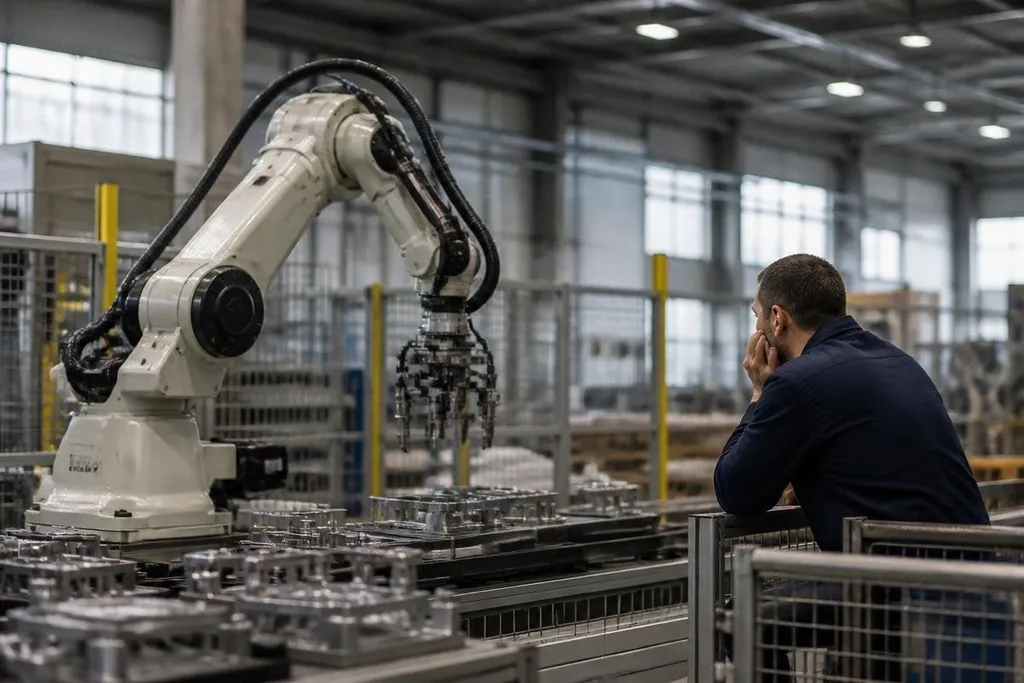
Understanding ia +18: The Future of AI Technology
As artificial intelligence (AI) continues to evolve, the concept of ia +18 emerges as a pivotal development in the tech landscape. This innovative approach integrates advanced machine learning algorithms and cognitive computing capabilities to empower businesses across various sectors. Notably, ia +18 facilitates deeper analytics, predictive insights, and enhanced automation—transforming how organizations operate and engage with customers. For those interested in exploring the nuances of this technology, ia +18 provides comprehensive insights that can guide you through the intricacies of AI integration.
What is ia +18?
Ia +18 refers to a new generation of artificial intelligence systems, enhanced with capabilities designed for more complex tasks such as natural language processing, real-time data analysis, and autonomous decision-making. Unlike its predecessors, ia +18 focuses on optimizing user experience and operational efficiency through deep learning and neural networks. By employing vast libraries of data, it can learn and adapt, providing solutions tailored to specific challenges faced by various industries.
The Impact of ia +18 on Various Industries
The advent of ia +18 technology is reshaping numerous sectors, from healthcare to retail. In the healthcare industry, for instance, AI-driven diagnostics and predictive analytics enable personalized medicine, improving patient outcomes. Similarly, in retail, businesses leverage ia +18 to analyze consumer behavior and streamline inventory management, driving sales and enhancing customer satisfaction.
- Healthcare: Enhanced diagnostics and treatment recommendations.
- Finance: Fraud detection and algorithmic trading.
- Manufacturing: Predictive maintenance and quality control.
- Retail: Personalized marketing and inventory optimization.
Current Trends and Innovations in AI Development
As we move towards 2026, several trends will dominate the AI landscape. Key innovations include:
- Explainable AI: Focus on transparency in AI decision-making processes.
- AI Ethics: Addressing ethical implications and accountability in AI applications.
- Edge Computing: Processing data closer to its source to reduce latency and bandwidth usage.
- Augmented Reality (AR) Integration: Combining AI with AR for enhanced interactive experiences.
Implementing ia +18 in Your Business Strategy
Identifying Opportunities for ia +18 Integration
To effectively implement ia +18, businesses must first identify areas where AI can add value. This could involve analyzing operational bottlenecks, customer service frameworks, or marketing strategies that could benefit from intelligent automation. A thorough SWOT analysis (Strengths, Weaknesses, Opportunities, Threats) can help in uncovering potential opportunities for integration.
Best Practices for Adopting New AI Technologies
When integrating ia +18 into your business processes, consider the following best practices:
- Start Small: Pilot projects that allow for controlled testing and scaling.
- Cross-Department Collaboration: Involve teams from different departments to leverage diverse perspectives.
- Continuous Learning: Regularly update training data and algorithms to ensure accuracy and relevancy.
- Stakeholder Engagement: Keep stakeholders informed and engaged throughout the integration process.
Balancing AI Tools with Human Insight
While ia +18 provides powerful insights and automation capabilities, it is essential to maintain a balance between AI tools and human judgment. AI can enhance decision-making, but human insight remains invaluable, especially in complex situations requiring emotional intelligence or ethical considerations. Building a collaborative environment where AI and human resources complement each other can significantly enhance overall performance.
Challenges and Solutions in Adopting ia +18
Common Obstacles to Implementation
Despite its benefits, businesses face several challenges when adopting ia +18, such as:
- Data Quality: Inaccurate or incomplete data can lead to poor AI performance.
- Integration Complexity: Difficulties in integrating AI with existing systems can slow down implementation.
- Workforce Resistance: Employees may resist changes due to fears of job displacement or unfamiliarity with AI technologies.
Addressing Misconceptions about AI Technology
Many misconceptions surround AI technology, particularly regarding its capabilities and limitations. Educating team members about the realistic capabilities of ia +18 can help mitigate fears and resistance. Promoting a culture of learning and adaptation can also encourage teams to embrace new technologies more willingly.
Real-World Case Studies on Overcoming Challenges
Several organizations have successfully navigated the challenges of integrating ia +18:
- Example 1: A major retailer adopted AI-driven inventory management, which increased operational efficiency by 25% within the first year.
- Example 2: A healthcare provider utilized ia +18 for predictive analytics, resulting in a 30% reduction in readmission rates.
Measuring Success in ia +18 Initiatives
Key Performance Indicators for AI Projects
Evaluating the success of ia +18 initiatives requires specific metrics to track performance, including:
- Return on Investment (ROI): Measure the financial gains against the cost of implementation.
- Operational Efficiency: Assess improvements in workflow and productivity.
- User Engagement: Track how users interact with AI systems and their satisfaction levels.
Utilizing Data Analytics for Improvement
Data analytics is crucial in measuring the success and ongoing improvement of ai +18 initiatives. By continuously collecting and analyzing data, businesses can adjust their strategies based on real-time performance metrics, ensuring optimal outcomes and long-term sustainability.
Feedback Loops: Learning from AI Performance
Implementing feedback loops allows organizations to learn from AI's performance, enabling them to refine algorithms and improve efficiency continually. By analyzing outcomes and user feedback, businesses can adapt their AI systems to better align with objectives and address any shortcomings.
The Future Landscape of ia +18: What to Expect in 2026
Emerging Technologies and Their Potential
As we approach 2026, several emerging technologies will complement ia +18:
- Quantum Computing: Possessing the potential to revolutionize data processing speeds, enhancing AI capabilities.
- 5G Networks: Improving connectivity and data transfer speeds, facilitating real-time AI applications.
- Biometrics: Enhancing security and personalization through AI-driven biometric recognition.
Future Trends in AI Development
The landscape of AI development is likely to witness several key trends:
- Integration of AI with IoT: Creating smarter, more connected devices that enhance user experiences.
- Focus on Cybersecurity: Heightened emphasis on securing AI systems against potential threats.
- Advancements in AI Ethics: Continued discussions on the ethical implications of AI technology, leading to better frameworks for responsible use.
Preparing Your Business for Changes to Come
To remain competitive, businesses must proactively prepare for the advancements in ia +18. This includes investing in training and development for employees, staying updated on industry trends, and fostering a culture of innovation. Being adaptable and open to change is vital in navigating the evolving landscape of AI technology.
What are the benefits of ia +18 for businesses?
Integrating ia +18 can lead to numerous advantages, including enhanced efficiency, improved decision-making, and the ability to provide personalized customer experiences. Businesses that leverage this technology are likely to see a significant competitive edge in their respective fields.
How can I integrate ia +18 into my existing systems?
Integration begins with identifying the right areas to implement ia +18, followed by collaborating with IT teams to ensure seamless incorporation. Utilizing cloud-based AI solutions can facilitate smoother integration, allowing for scalable and flexible application.
What industries will be most affected by ia +18?
Industries such as healthcare, finance, manufacturing, and retail are poised to be profoundly impacted by the advent of ia +18. Each sector will utilize AI to optimize operations and enhance customer experiences.
What are the ethical considerations of using ia +18?
Ethical considerations surrounding ia +18 include transparency, accountability, and the potential for biases in AI algorithms. Organizations must prioritize ethical AI practices to build trust and avoid unintended consequences.
How do I measure the success of my ai +18 initiatives?
Success can be measured through various KPIs, including ROI, operational efficiency, and user satisfaction metrics, allowing businesses to analyze the effectiveness of their AI implementations accurately.